
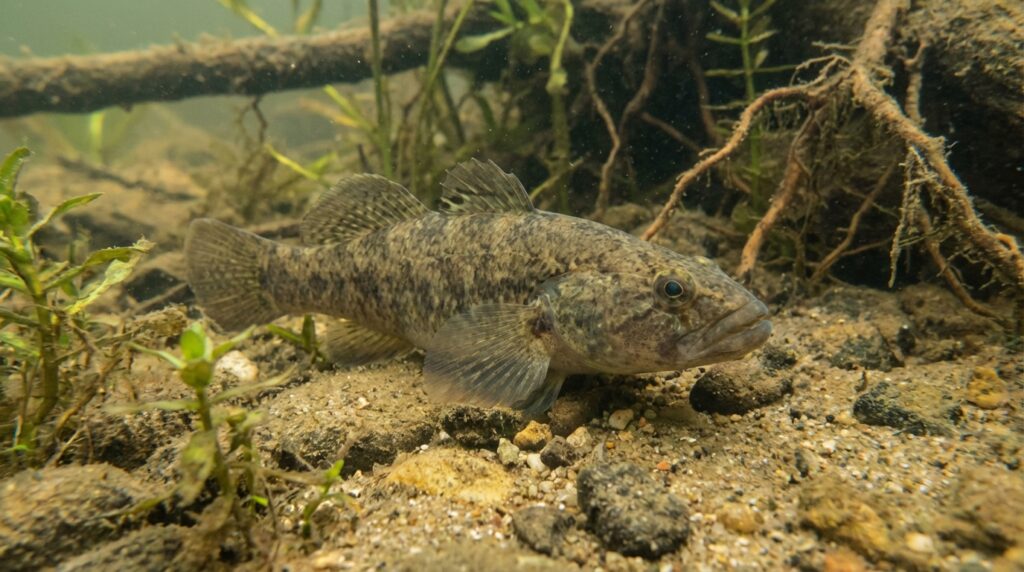
Imagine being frozen solid, your body encased in ice, only to thaw out later and swim away as if nothing happened.
Sounds like something out of a science fiction movie, right? Well, for one incredible creature, this is a very real, and very astonishing, survival strategy!
Meet the Amur sleeper (Perccottus glenii), the only known fish species that can endure being completely frozen in ice and live to tell the tale.
The Ultimate Winter Survivalist
Native to the Amur River basin in northeastern Asia, the Amur sleeper faces brutally cold winters where its aquatic habitats can freeze solid. Unlike most fish, which would perish if their tissues froze, the Amur sleeper has evolved a remarkable ability to tolerate internal ice formation. This isn’t just about surviving cold water; it’s about surviving with ice crystals actually forming inside its body!
Scientists have been fascinated by this phenomenon, studying the Amur sleeper to uncover the secrets behind its seemingly impossible feat. Their research has revealed a complex interplay of genetic adaptations and biochemical mechanisms that allow this tiny fish to cheat death by freezing.
The Science of Survival
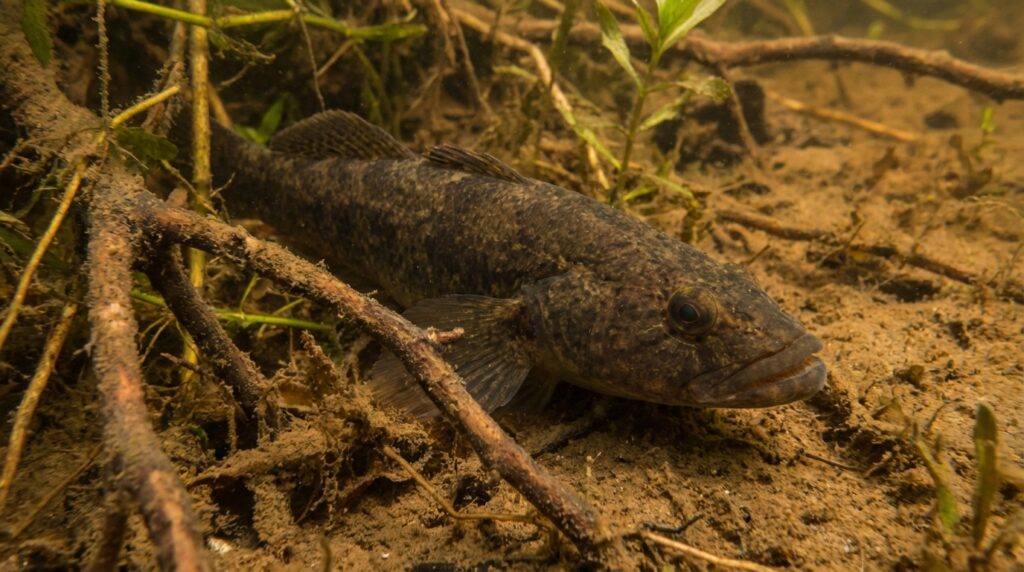
The Amur sleeper’s extraordinary freeze tolerance is primarily attributed to its ability to produce and accumulate high concentrations of natural cryoprotectants within its cells. These are substances that help protect biological tissue from freezing damage. The key players in this biochemical marvel are glucose and glycerol.
When temperatures drop and ice begins to form, the fish’s body ramps up the production of these compounds. Glucose and glycerol act like an internal antifreeze, lowering the freezing point of the water inside the cells and preventing the formation of large, damaging ice crystals. Instead, smaller, less harmful ice forms, and the cryoprotectants help to stabilize cellular structures, preventing them from rupturing during the freezing and thawing process .
Furthermore, studies have shown that the Amur sleeper undergoes significant physiological and genetic changes during freezing. Its metabolism slows dramatically, and specific genes are activated to manage the stress of freezing and subsequent thawing. This includes mechanisms to repair cellular damage and restore normal function once the ice melts .
A Glimpse into the Future?
The Amur sleeper’s unique survival strategy offers more than just a captivating natural wonder. Its ability to withstand complete freezing has profound implications for scientific research, particularly in fields like cryopreservation and medicine.
Understanding how this fish protects its cells from ice damage could lead to breakthroughs in organ storage for transplantation, preserving endangered species, or even future human cryonics.
This tiny, unassuming fish reminds us that nature is full of incredible adaptations, pushing the boundaries of what we thought was possible. The Amur sleeper truly is a living testament to the power of evolution and a source of endless wonder.
References: nature.com, biorxiv.org, phys.org