
On a quiet summer morning in June 1908, the vast forests of Siberia were peaceful. This area, known as Tunguska, was a lonely place where very few people lived.
The only movements came from the wind in the pine trees and the local herdsmen watching over their reindeer. The sun was rising just like any other day, and the air was crisp and cool.
But at around seven in the morning, the peace was broken by something that would puzzle the world for more than one hundred years.
Suddenly, the sky split in two. A massive fireball, brighter than the sun, tore through the atmosphere. It was so bright that it cast shadows even though it was already daylight.
A farmer sitting on his porch nearly forty miles away felt a wave of heat so intense that he thought his shirt was on fire. He covered his eyes, terrified, as a blinding blue light swallowed the horizon.
Moments later, a sound louder than thunder roared across the land, shaking the ground as if the earth itself was trembling in fear.
The explosion that followed was unimaginable. It released energy a thousand times more powerful than the atomic bomb dropped on Hiroshima. A giant shockwave punched the air, knocking people off their feet hundreds of miles away.
Windows shattered in distant towns, and the driver of a train miles away stopped the engine because he thought the train had gone off the tracks. In the forest, the devastation was total.
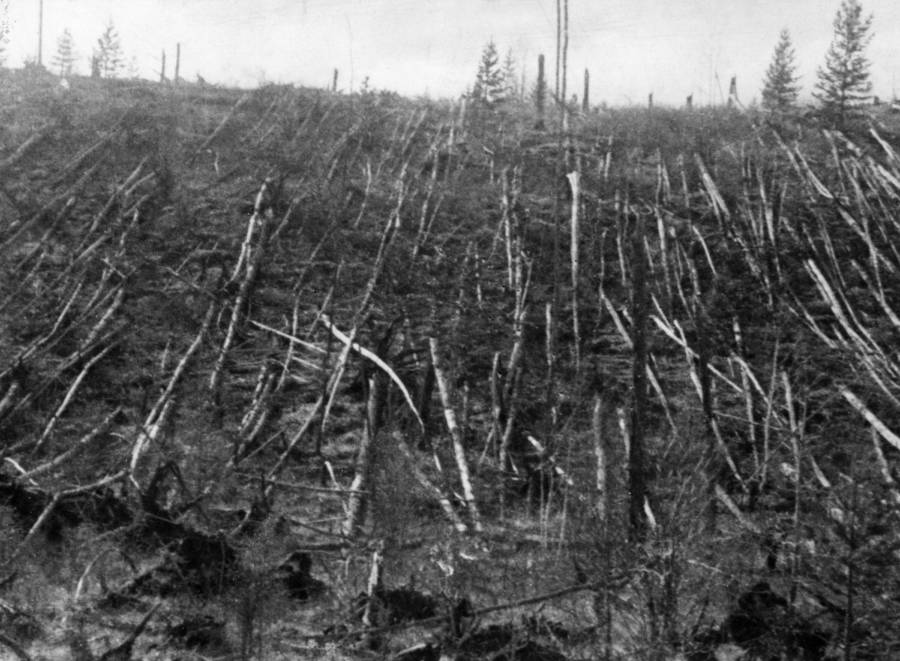
Eighty million trees were flattened instantly, all falling away from the center of the blast like matchsticks knocked over by a giant hand.
For nights after the explosion, something very strange happened around the world. The sky did not get dark. In London and across Europe, the night sky glowed with an eerie, ghostly light.
It was so bright that people could stand outside at midnight and read a newspaper without a streetlamp. Scientists were confused, and ordinary people were scared, wondering if the end of the world had begun.
But because Tunguska was so far away and hard to reach, nobody went to see what had actually happened for a very long time.
Almost twenty years later, a brave scientist named Leonid Kulik finally led an expedition into the wild Siberian forest to find the truth. He expected to find a giant hole in the ground, a crater made by a huge meteorite hitting the earth.
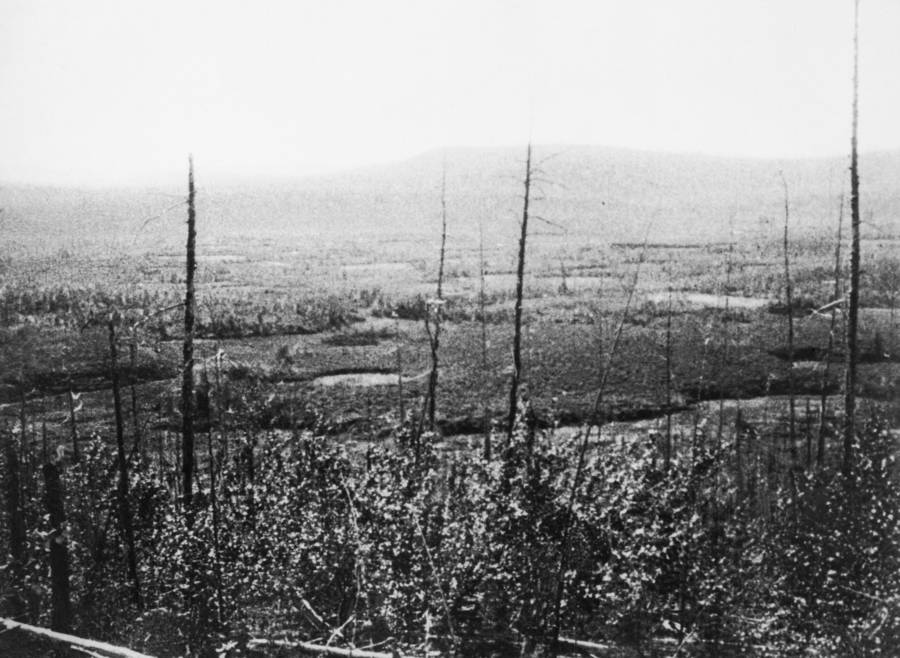
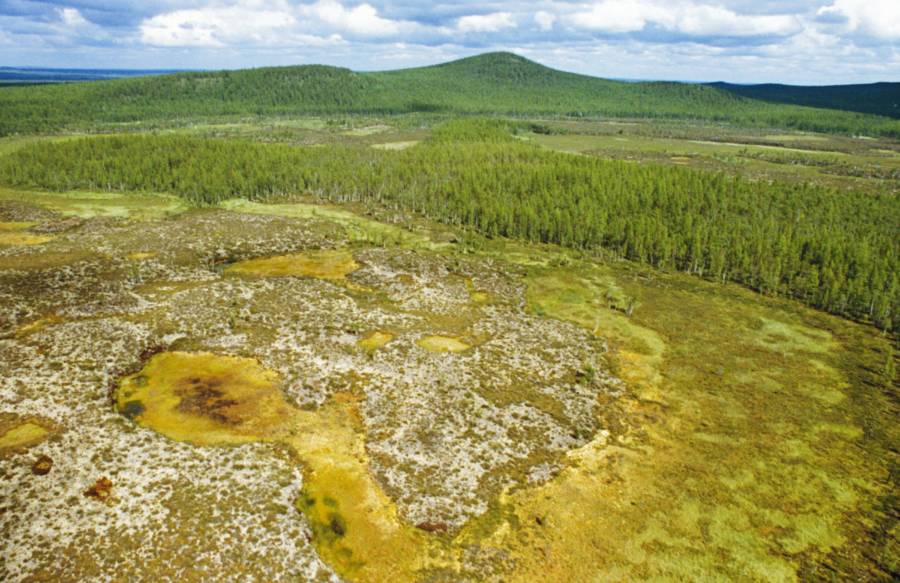
He and his team struggled through swamps and mosquitoes to reach the site. When they finally arrived, they saw the ocean of fallen trees, but they found something impossible. There was no hole.
There was no giant rock. The center of the blast zone was just a swampy bog with trees standing upright, stripped of their branches.
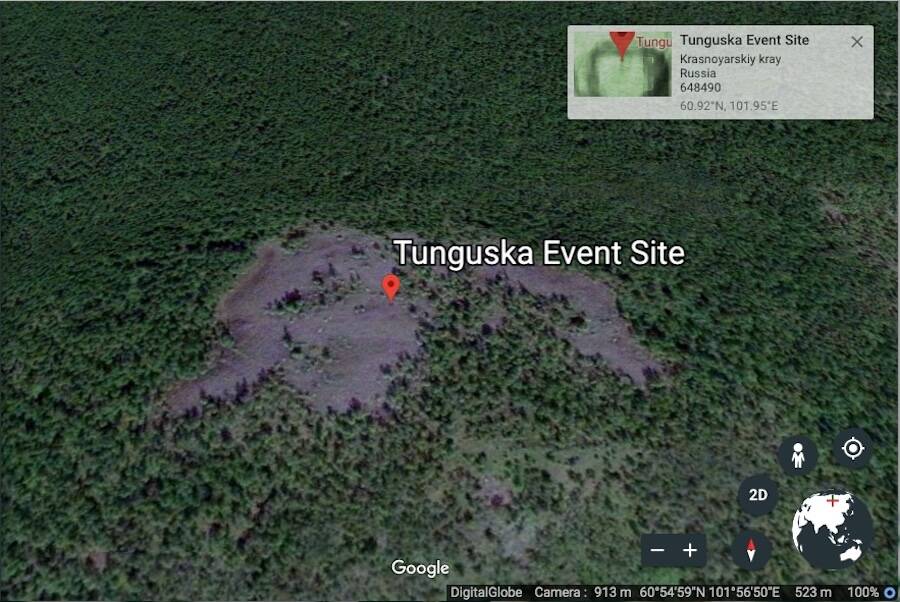
It took many years for scientists to solve the puzzle of the “missing hole.” They finally realized that the space rock never actually hit the ground. Instead, it was likely an asteroid or a comet made of ice and stone that exploded high up in the air due to the pressure and heat.
It was an “airburst.” The explosion slammed into the earth from the sky, flattening the forest without leaving a crater.
To this day, the Tunguska Event remains a reminder of how small we are, and how a stone from the stars can turn a quiet morning into a mystery that lasts a century.