
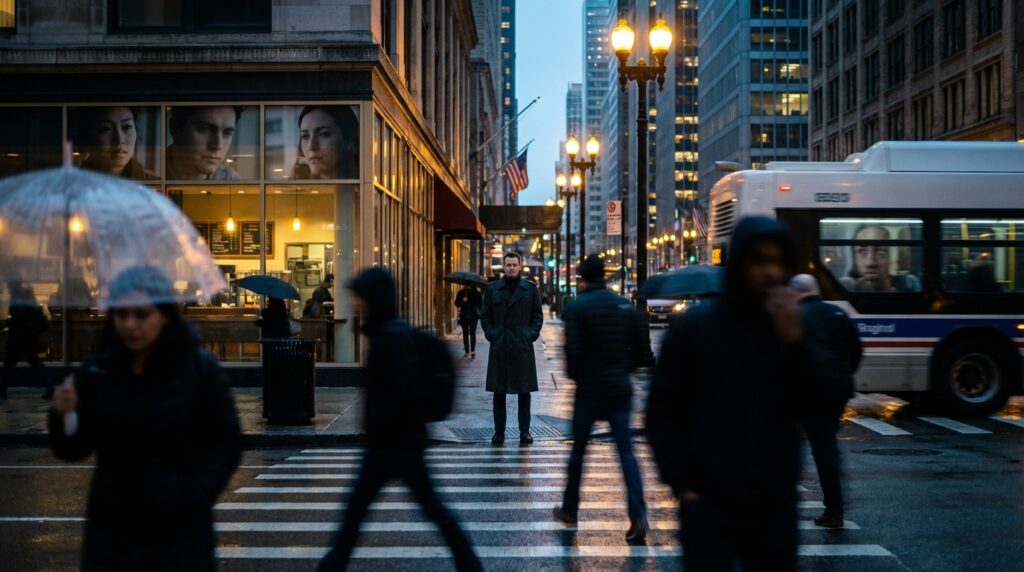
You are standing in line at a coffee shop in a completely different city. A person walks through the front door wearing a heavy winter coat and a thick scarf. You only see their eyes and the bridge of their nose for a fraction of a second. Most people would just turn back to their phone. But a very small group of humans will instantly realize that this is the exact same person who stood behind them at a random gas station seven years ago.
They are not using a special memory trick. They are not trying incredibly hard to pay attention. Their brains simply refuse to delete a face once they have seen it.
A Brain Wired Completely Differently
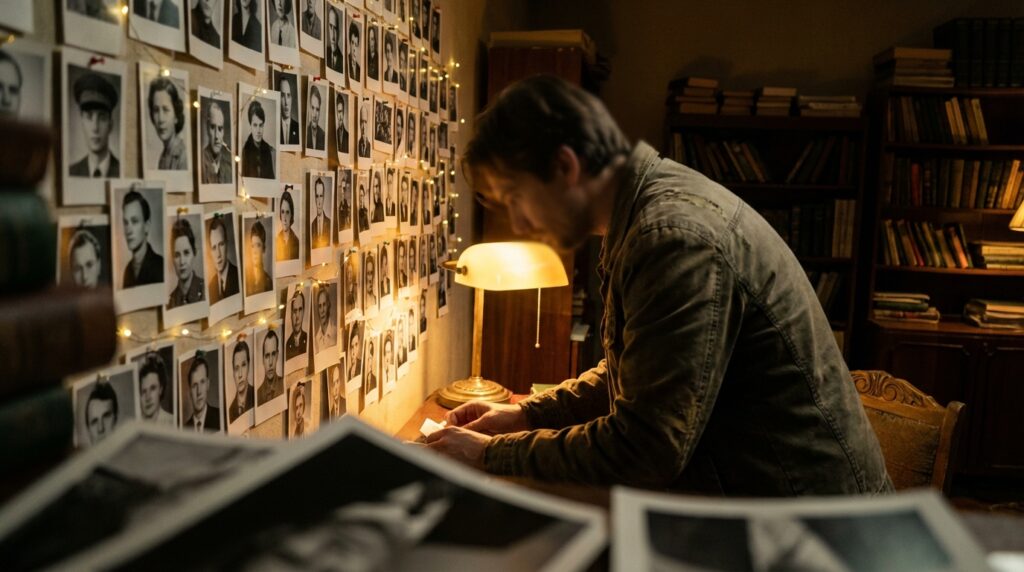
Scientists call these individuals super recognizers. For a very long time doctors only studied the exact opposite problem. There is a documented medical condition called prosopagnosia where people completely lose the ability to recognize any faces at all. They cannot even recognize their own family members in a photograph.
But researchers eventually realized that human facial recognition actually exists on a massive sliding scale. Some people are sitting all the way at the extreme top end of that spectrum.
The secret hides inside a specific piece of tissue called the fusiform face area. This part of the brain is dedicated entirely to processing the complex geometry of human features. In a normal person this area does an okay job of filing away important people. In a super recognizer this brain region is basically a massive supercomputer running on total overdrive.
It locks onto the exact distance between the eyes and the specific angle of a jawline. It files that geometric map away permanently. It does not matter if the person gets older or grows a heavy beard or wears thick dark sunglasses. The underlying facial structure is locked into their brain forever.
Catching Criminals In A Crowded City

This bizarre biological quirk is incredibly useful. Major police departments around the world have started actively hunting for people with this specific brain anomaly. The famous police force at Scotland Yard in London actually created an entire squad dedicated exclusively to super recognizers.
These specific officers do not patrol the streets in police cars. They sit in dark rooms staring at extremely low quality security camera footage. When a massive riot happens or a major theft occurs these officers watch hours of blurry tape. They can spot a criminal hiding in a massive crowd just from the way their cheekbones look under a heavy hood.
They connect blurry faces from one crime scene to another crime scene completely across the city months apart. Computer algorithms and expensive facial recognition software frequently fail when the lighting is bad or the camera angle is weird. But these living human databases almost never miss a match.
The Awkward Curse Of Remembering Everyone

Having a perfect visual memory sounds like an amazing superpower. But the people who actually live with this brain anomaly admit it can make daily life incredibly awkward.
They constantly recognize complete strangers on the train or walking around the grocery store. They remember the guy who delivered a pizza to their neighbor five years ago. But society does not really know how to handle that level of intense memory. If a super recognizer walks up to a total stranger and says they remember them from a brief passing glance a decade ago the stranger usually gets completely creeped out.
So most of them learn to just fake a bad memory. They pretend they are meeting someone for the very first time just to be polite and normal. They carry around thousands of completely useless faces in their heads and keep their mouths totally shut. They are walking through a world where every single crowd is just a sea of familiar faces they are completely forced to ignore.
References: You can read a detailed look at how the brain processes these complex geometric features in this scientific breakdown by National Geographic. For an inside look at how London police actively use these special officers to catch criminals check out this fascinating report by The Guardian. To understand the bizarre awkwardness of living with this condition you can read this great personal interview on BBC News. You can also test your own brain to see if you have this rare ability via this official research page at the University of Greenwich.