
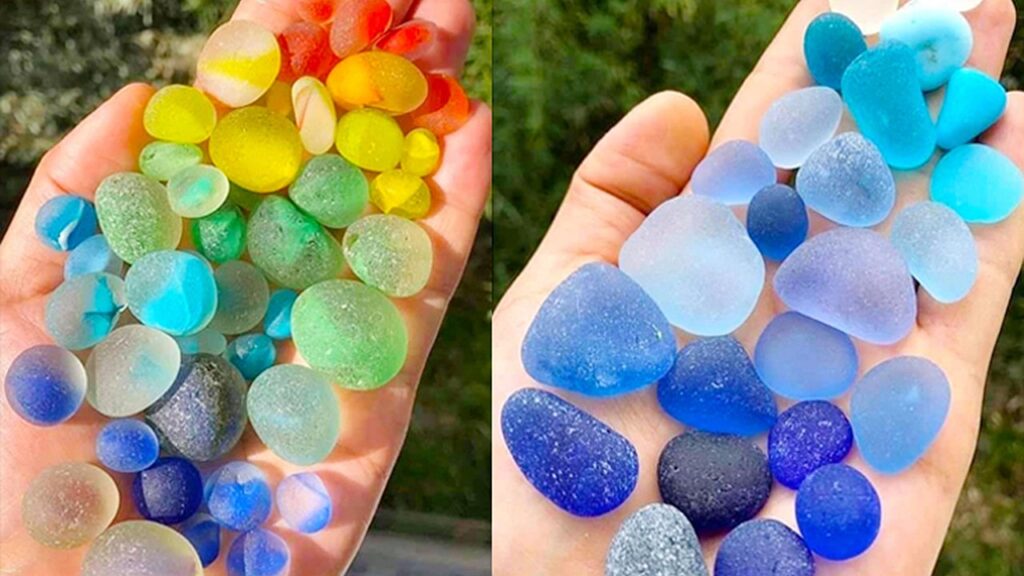
Walk along a quiet beach and you might notice small, cloudy stones shining in the sand.
These are sea glass, and their story begins with broken bottles, jars, and glass objects made by people long ago. For many years, especially before modern recycling, glass waste was often thrown into the sea.
Ships, coastal towns, and harbors all added to it. Because glass is made from sand, the ocean treats it differently from plastic. Instead of polluting the water, it slowly returns to nature.
Marine researchers note that glass can survive hundreds of years in the ocean, giving waves enough time to reshape it into something new.
See More: Shocking Orange Gator Stuns South Carolina
How the Ocean Shapes Sea Glass
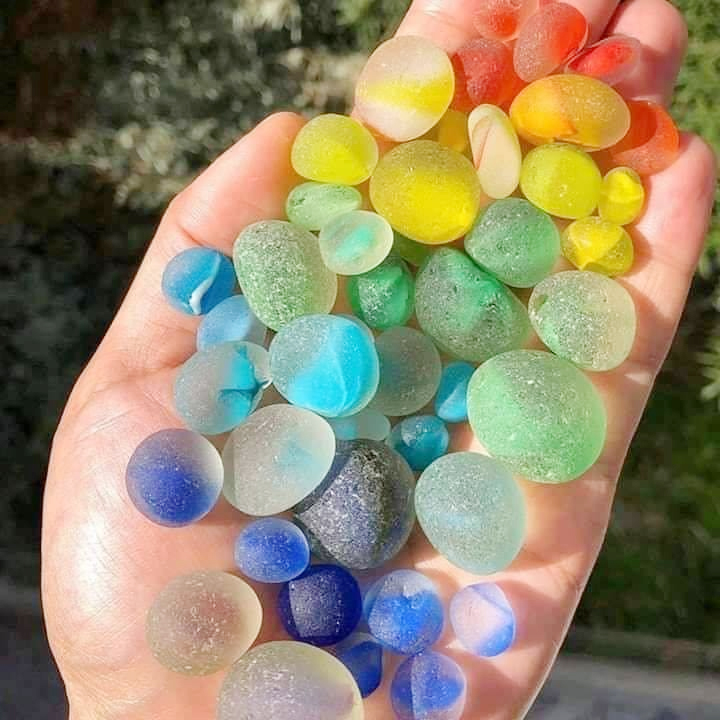
The ocean works slowly but with great power. Once glass enters the water, waves roll it again and again across sand and rocks. Each movement chips away sharp edges and dulls the shiny surface.
Scientists who study coastlines estimate that it takes at least twenty to forty years for glass to become smooth sea glass. Some pieces may tumble for fifty years or more before reaching the shore.
During this time, the glass becomes frosted as tiny grains of sand scratch its surface. What was once sharp and dangerous turns into a soft, stone-like gem shaped only by water and time.
See More: World’s Oldest Land Animal Turns 187 Years
Colors That Reveal the Past
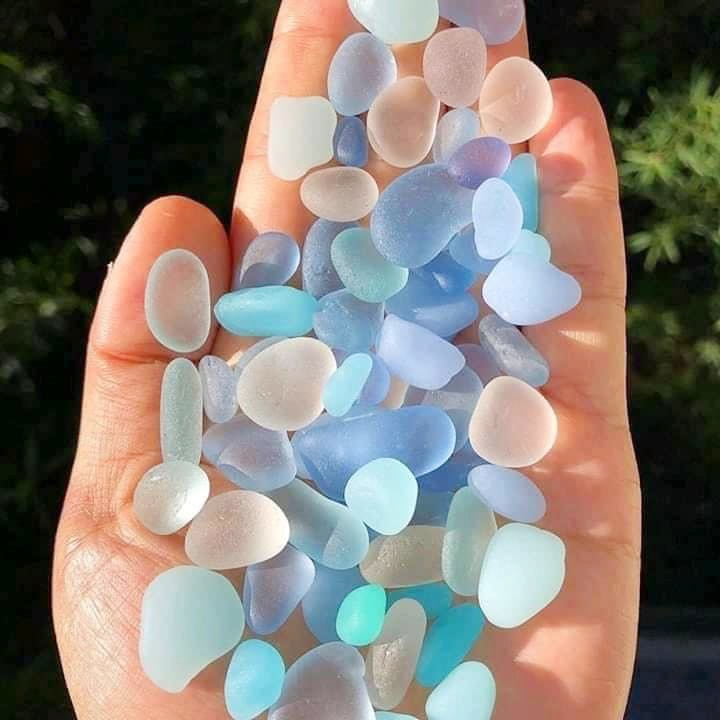
The colors of sea glass tell stories about history. Research from beach surveys shows that most sea glass is white, brown, or green.
These pieces usually come from everyday bottles, food jars, and windows used in the last century. Rarer colors appear much less often. Soft blue glass often comes from old medicine bottles, while deep cobalt blue was once used for poison containers.
Purple glass formed when clear glass from the early 1900s changed color after long exposure to sunlight. Collectors say rare colors appear only once in hundreds or even thousands of pieces, making each find feel special and meaningful.
See More: Tiny Sunfish Grows Into Ocean’s Heaviest Bony Fish
Science Behind the Beauty
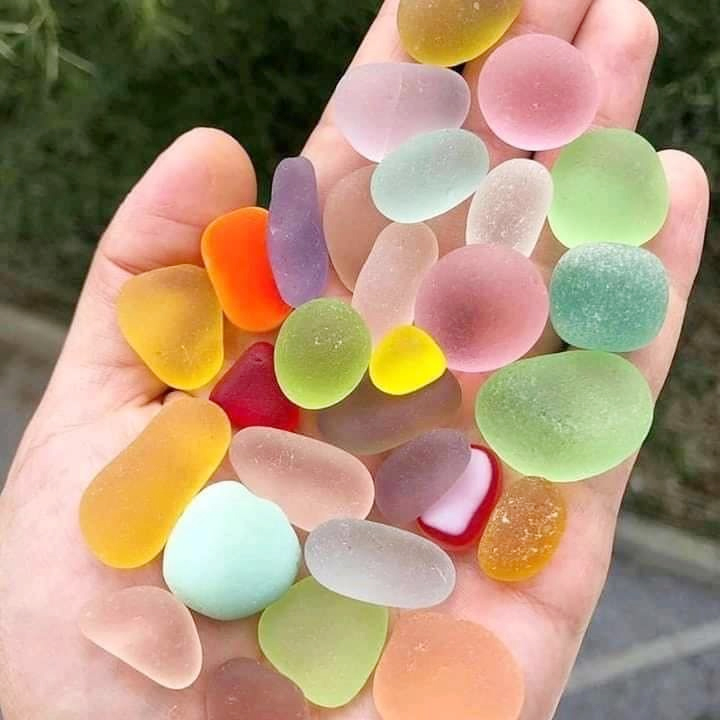
Glass starts its life as sand heated to very high temperatures, often above 1700 degrees Celsius. When it cools, it becomes a solid that does not have a crystal structure like stone.
This special structure allows glass to slowly wear down without breaking apart quickly. Studies show that over long periods, glass in the ocean breaks into smaller pieces until it finally returns to sand.
Sea glass exists in the middle of this journey, shaped by waves before it disappears completely.
See More: Fisherman Finds Rare Blue Lobster and Lets It Go
A Small Treasure with a Big Message
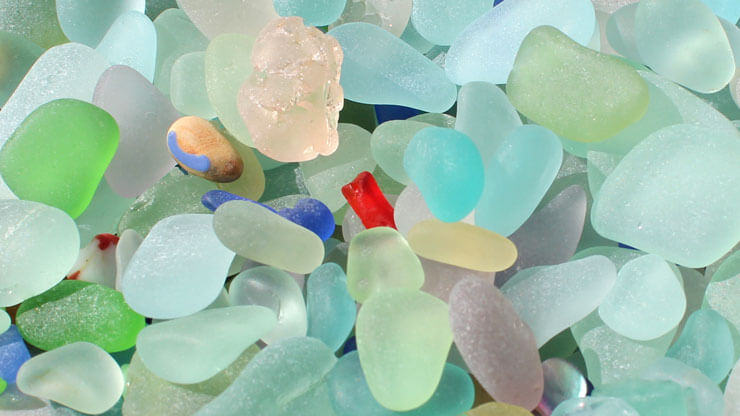
Sea glass is more than a beach treasure. It is proof of nature’s ability to heal and transform. Each piece carries a quiet reminder of human history and the ocean’s patience.
Researchers also point out that while glass can return to sand, plastic cannot, which makes sea glass an important lesson in environmental responsibility.
See More: Rare Frost Flowers Cover Frozen Seas
When people collect sea glass, they are not just picking up a pretty stone. They are holding a story shaped by decades of waves, time, and the powerful recycling force of the sea.