
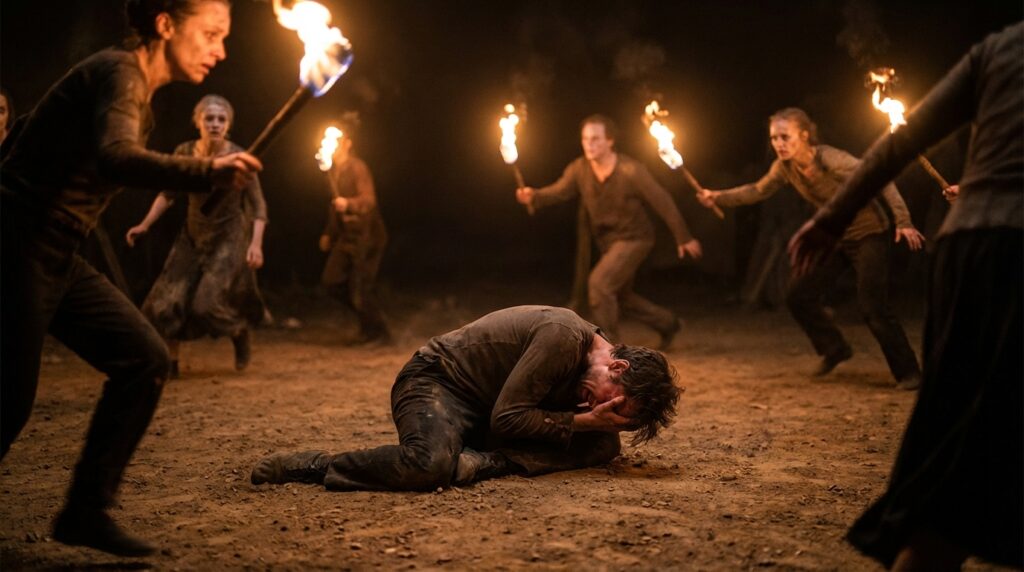
Music usually brings people together for a good time. A lively tune can make you tap your feet or sway to the beat. But in the summer of 1518, a single woman started a dance party that turned into one of the most terrifying medical mysteries in human history.
She stepped into a narrow street in the city of Strasbourg and began to twist and twirl. There was no music playing. She just kept dancing in silence for nearly a week. Soon she was not alone. What started as a weird solo performance quickly spiraled into a deadly epidemic that literally forced hundreds of people to dance until their bodies gave out.
A Contagious and Fatal Rhythm

Within a few days, three dozen more people joined the exhausting marathon. They were not dancing out of joy. Witnesses reported that their faces were twisted in pain and they were begging for help. They simply could not stop their arms and legs from violently thrashing around.
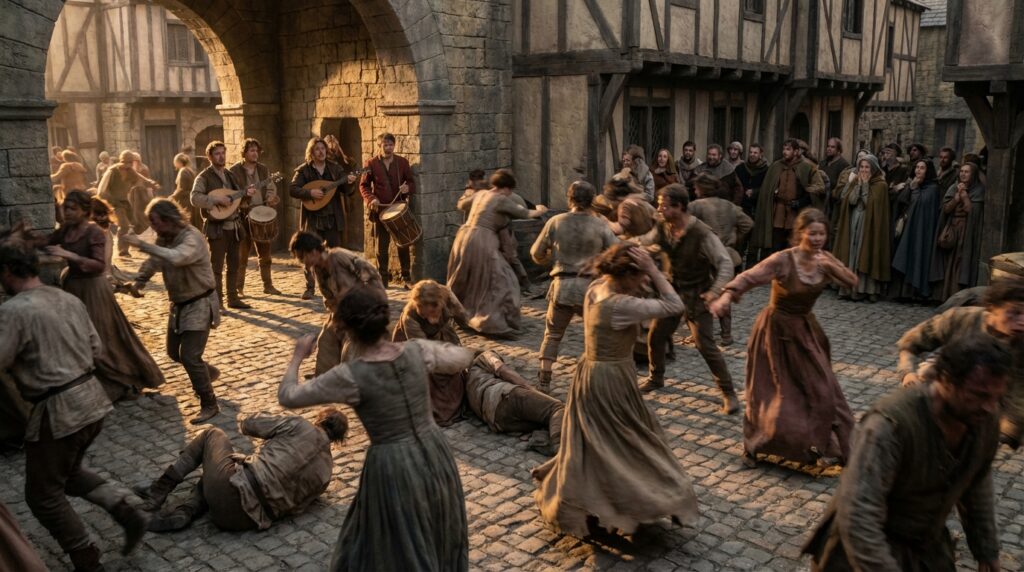
By the end of the month, over four hundred citizens were caught in the strange trance. The local government panicked. The doctors of the era believed the dancers had overheated blood. Their bizarre medical solution was to prescribe even more dancing to burn off the sickness. They actually hired professional musicians and built a massive wooden stage in the center of town.
This terrible idea completely backfired. The loud music only attracted more crowds. The relentless physical exertion in the hot summer sun turned the streets into a literal d*ath trap. People started collapsing from severe dehydration and massive heart attacks right on the cobblestones. They were dancing themselves to death.
The Mystery of Mass Hysteria
Modern scientists and historians have spent decades trying to figure out what actually possessed these people. Some researchers blame a toxic fungus called ergot that grows on damp rye stalks. Eating bread made from this spoiled grain can cause severe muscle spasms and wild hallucinations.
But a moldy loaf of bread does not explain why hundreds of people did the exact same continuous dance for weeks on end. The most widely accepted answer is even more fascinating. Psychologists believe it was a severe case of mass psychogenic illness.
The peasants of Strasbourg were facing extreme starvation and terrifying diseases at the time. The intense psychological stress basically broke their collective minds. It was a contagious mental breakdown triggered by pure despair.
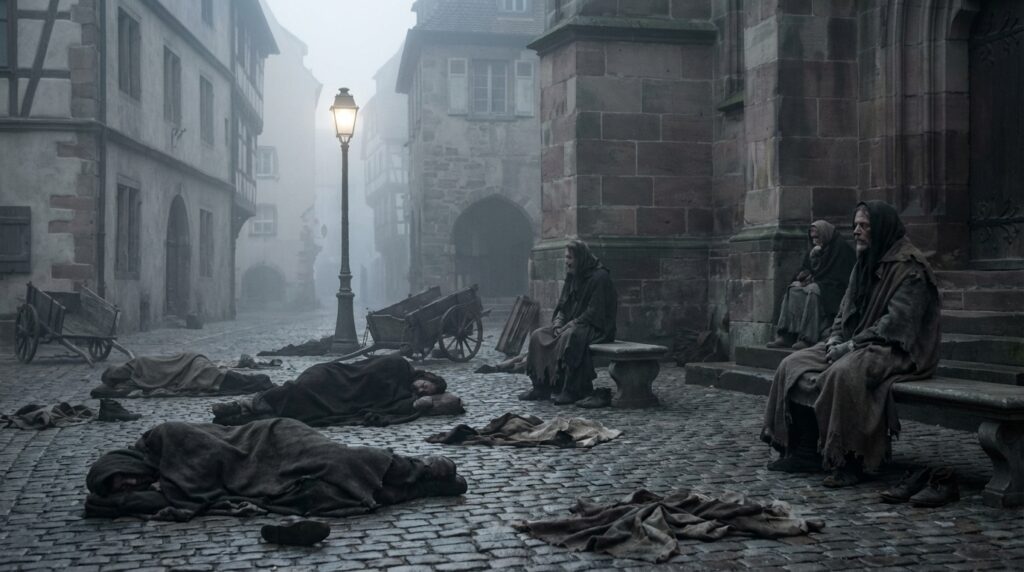
The dancers were eventually packed onto wagons and taken to a mountain shrine to pray for forgiveness. Slowly the wild movements stopped and the surviving victims regained control of their own limbs. The bizarre historical event remains a dark reminder of just how fragile the human mind can be when pushed to the absolute breaking point.
References: History Channel, BBC News, The Lancet