
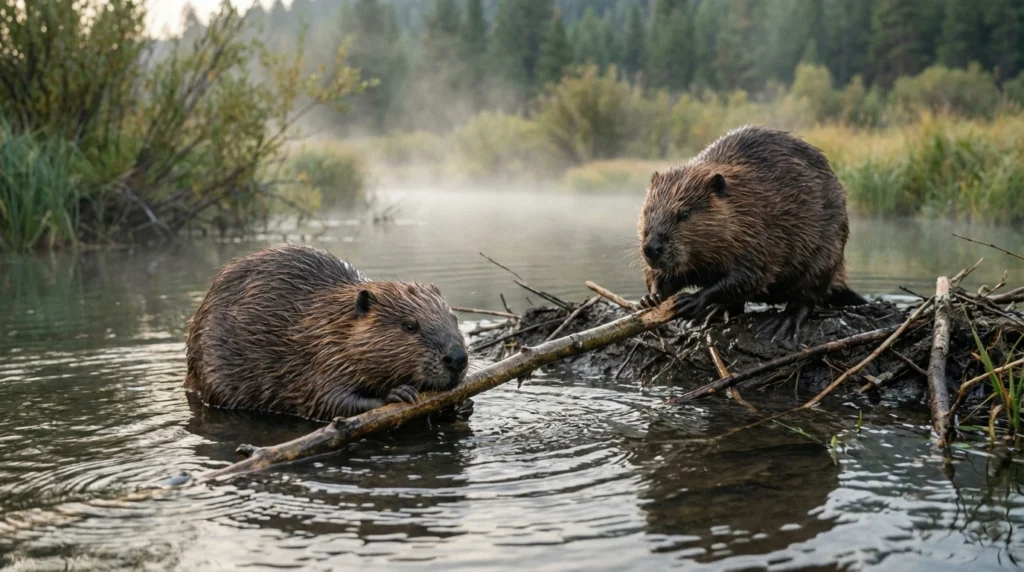
After more than seven decades of absence, beavers are making a remarkable comeback in California. Their return isn’t just a feel-good wildlife story, it’s a powerful example of how nature itself can help solve some of today’s most urgent environmental challenges.
By reintroducing beavers to parts of the state, California is embracing a nature-based approach to restoring ecosystems, improving water security, and strengthening climate resilience.
Why Beavers Matter
Beavers are often called “ecosystem engineers,” and for good reason. By building dams, they slow the flow of rivers and streams, creating ponds and wetlands that reconnect waterways to their natural floodplains.
These changes help store water, filter pollutants, and create rich habitats for birds, fish, amphibians, and plants. What might look like a simple dam is actually a complex, living system that boosts biodiversity and strengthens the entire landscape.
Tackling Droughts and Wildfires
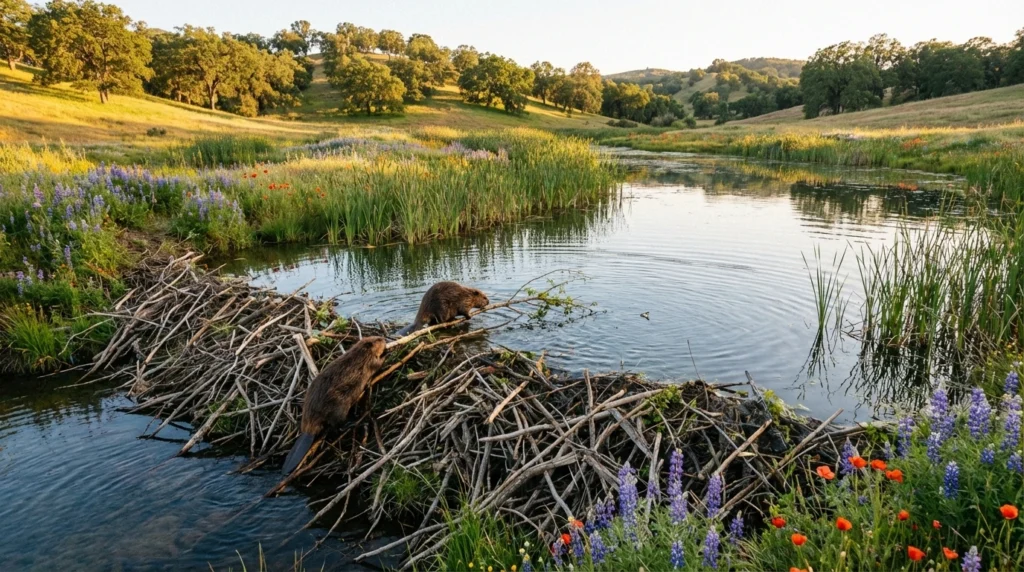
In a state frequently impacted by droughts and wildfires, beavers offer an unexpected but effective ally. Their dams hold water in the landscape for longer periods, keeping surrounding soils and vegetation moist even during dry seasons.
This added moisture can reduce the intensity of wildfires, slow their spread, and help ecosystems recover faster after extreme heat or fire events.
Instead of relying only on costly infrastructure, beavers provide a self-maintaining solution that works with natural processes.
The Beaver Restoration Program
The reintroduction effort is the result of collaboration between wildlife officials, scientists, conservation groups, and Native tribes.
By combining traditional ecological knowledge with modern science, the program aims to restore beavers to their historic habitats while minimizing conflict with people.
Rather than viewing beavers as a problem to manage, the initiative recognizes them as partners in rebuilding healthy, resilient ecosystems.
A Long-Term Commitment
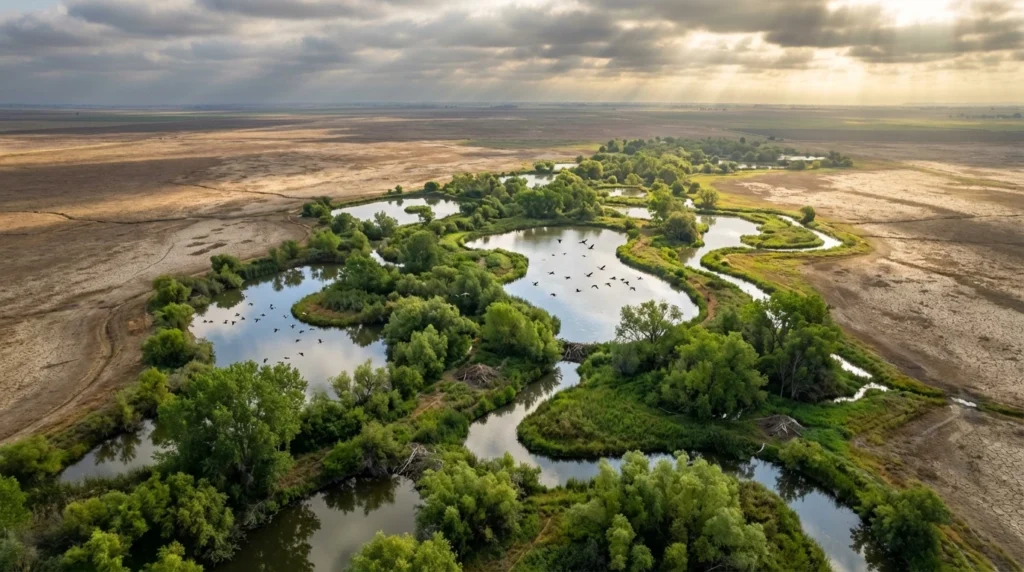
Encouraged by these successes, California has committed to making beaver restoration a permanent, state-supported effort.
It’s a bold shift in thinking, one that shows how restoring wildlife can also restore ecosystems, strengthen communities, and address long-term climate challenges.
The return of beavers proves that sometimes the most innovative solutions aren’t new technologies, but old partnerships with nature itself.