
If you spend enough time on the social media, you have probably seen a famous black-and-white photo of a Persian princess.
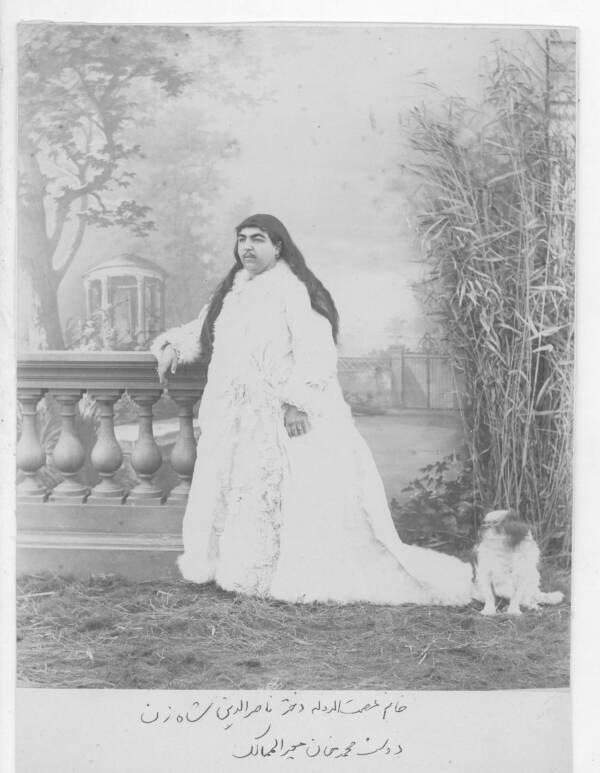
In the picture, she is wearing a short skirt, a headscarf, and, most famously, she has a noticeable mustache. The caption usually says that she was the ultimate symbol of beauty in Persia and that thirteen men kil*led themselves because she rejected their love.
It is a crazy story that makes people laugh or gasp. But here is the secret: the internet is lying to you. The true story of the women in these photos is much more interesting than a made-up fairy tale about love and sui*cide.
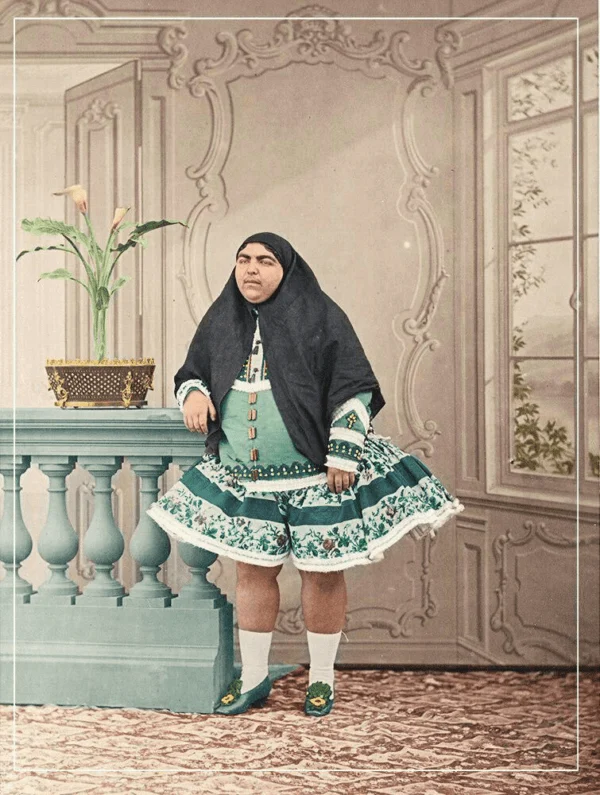
First of all, “Princess Qajar” is not just one person. The viral posts actually mix up photos of two different sisters, Princess Esmat and Princess Taj. They were the daughters of the King of Persia (modern-day Iran) in the 19th century.
Their father, the King, was obsessed with photography, which was a brand new invention at the time. He loved taking pictures of his family, his cats, and his palace. That is why we have so many clear photos of these royal sisters today.
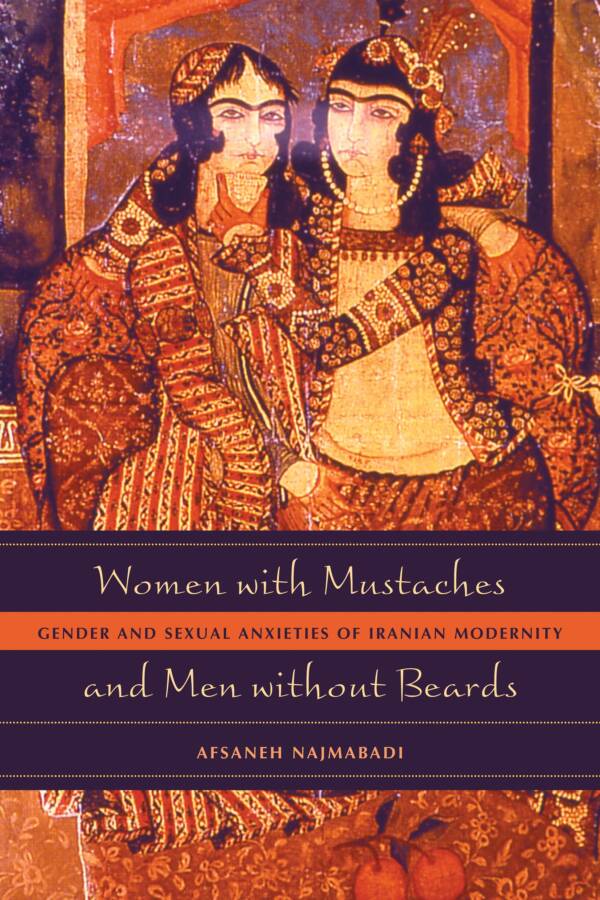
The reason they look different from modern beauty queens is simply because fashion changes. Back then, thick eyebrows and a faint mustache on a woman were considered very beautiful in Persia. It wasn’t a joke; it was a sign of elegance.
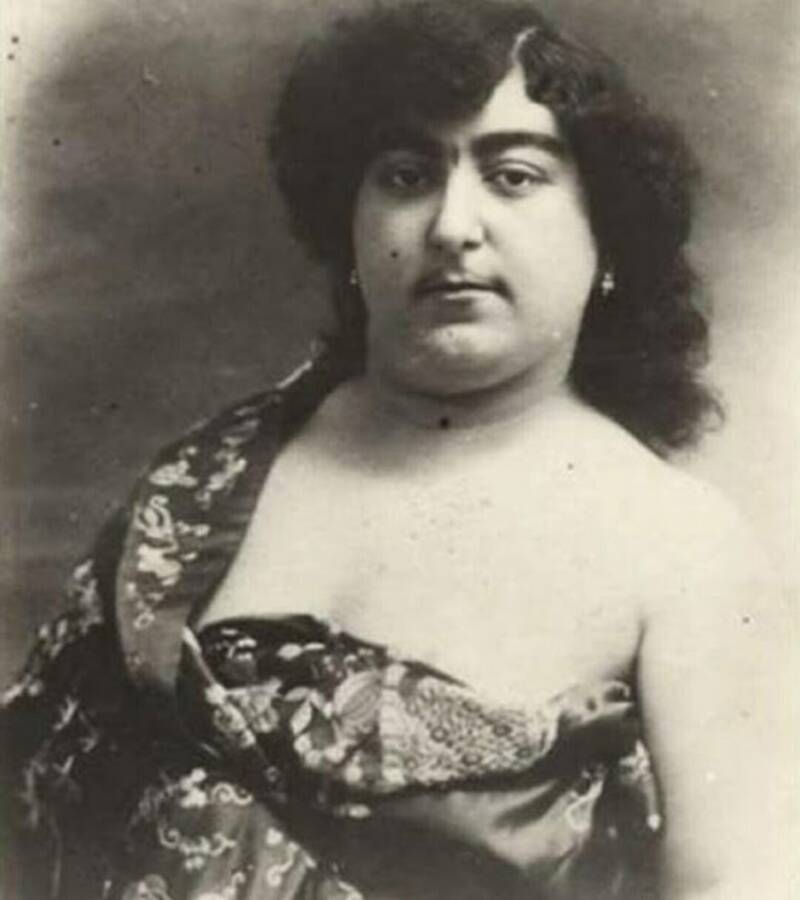
But the most important part of the story isn’t about their looks, it is about their minds. The internet memes ignore the fact that these women were incredibly smart and brave.
Princess Taj, in particular, was a rebel. At a time when women were expected to stay quiet and hidden, she broke all the rules. She was a writer, a painter, and an intellectual who hosted literary salons in her home. She even learned to play the piano and studied French language and culture, which was very rare for a woman in her position.
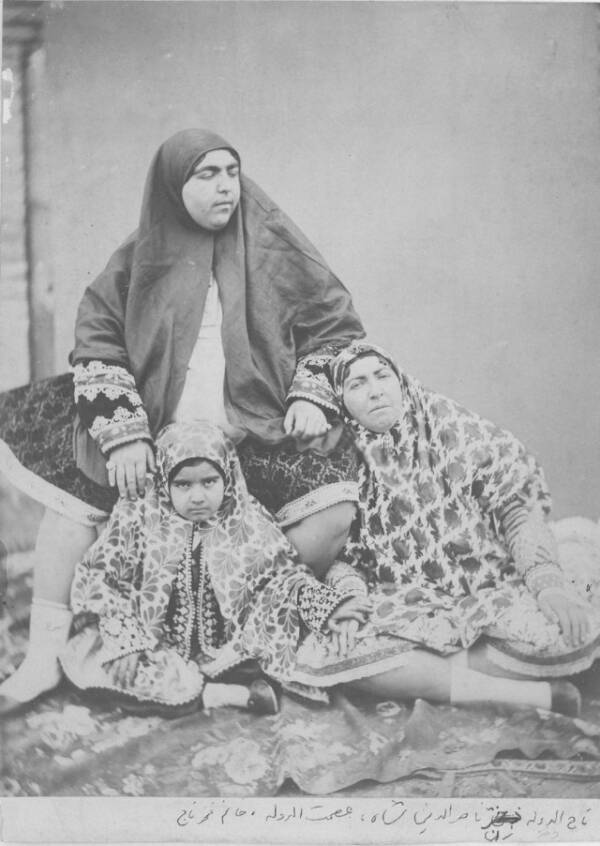
Princess Taj was also a fierce feminist long before the word was popular. She was one of the founding members of a group that fought for women’s rights in Persia. She famously took off her hijab (head covering) in a time when doing so was a shocking act of defiance.
She wrote memoirs criticizing the way women were treated in her country, blaming bad leadership and lack of education for their suffering. She didn’t want men to die for her; she wanted women to live for themselves.
So, the next time you see the meme about the “mustached princess” and the thirteen suitors, remember the truth. The story about the su*icides is just a myth invented to get likes on social media.
The real “Princess Qajar” was not defined by the men who liked her, but by the powerful voice she used to fight for freedom. She wasn’t just a symbol of ancient beauty; she was a pioneer of modern women’s rights, and that is a legacy far more impressive than any internet rumor.