

Grigori Perelman, a reclusive Russian mathematician, is one of the most brilliant minds of our time.
Known for his groundbreaking work in geometric analysis, Perelman became internationally renowned for solving the Poincaré conjecture, a problem that had eluded mathematicians for over a century.
This achievement not only cemented his place in mathematical history but also earned him widespread admiration.
Yet, despite the accolades and recognition that came with solving one of the most challenging problems in mathematics, Perelman chose a life of modesty and seclusion.
See More: The Sun Isn’t Yellow, Stop Painting It Yellow
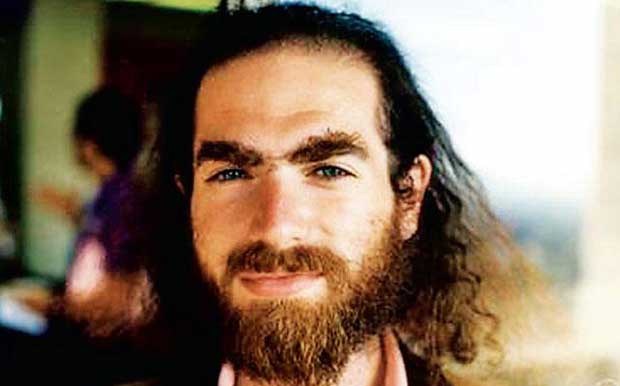
Living in St. Petersburg with his mother and sister, Perelman has never sought fame or wealth. His indifference to both has led him to turn down some of the highest honors in his field.
He famously rejected the Fields Medal, often considered the highest prize in mathematics, and declined a $1 million award from the Clay Mathematics Institute.
To many, these refusals seemed perplexing, especially for someone whose work had revolutionized the field. But for Perelman, it wasn’t about the money or the glory.
He was uninterested in the attention and fame that often come with such achievements. In his mind, the work was the reward, not the recognition.
See More: Don’t Eat That Watermelon If You See This
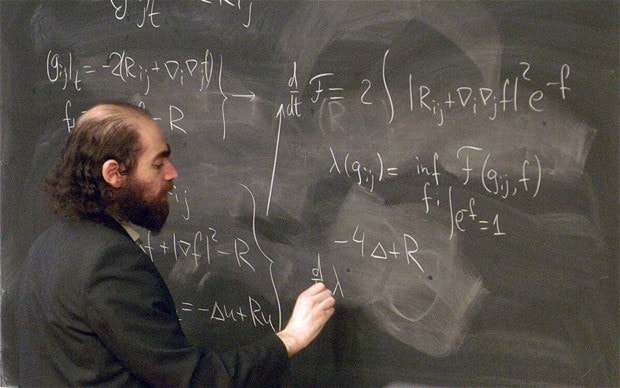
Born in Leningrad (now St. Petersburg), Perelman showed an early aptitude for mathematics.
His talents were undeniable, and he earned his Ph.D. from Leningrad State University, eventually taking up positions at various prestigious institutions, including some in the United States.
But despite these opportunities, Perelman’s passion for mathematics never led him to seek a career built on accolades or prestige.
His primary focus was always on solving problems, not on how the world would perceive him for doing so.
See More: Woman Turns Old Boeing 727 Into Luxury Home
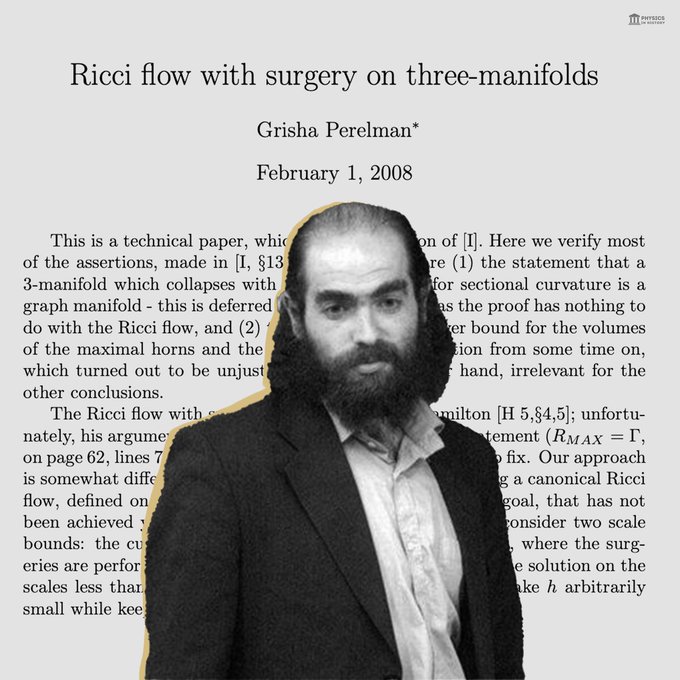
The Poincaré conjecture, which Perelman solved in 2003, brought him into the international spotlight.
The problem had stumped mathematicians for over 100 years, making its solution a monumental event in the world of science.
In 2006, the journal Science recognized Perelman’s work as the “Breakthrough of the Year.” Yet, instead of basking in the glory, Perelman withdrew from the mathematical community.
He expressed dissatisfaction with the ethical standards he saw in the field and was deeply disillusioned by the way his peers judged and recognized his work.
For him, the excitement surrounding the solution to the conjecture wasn’t enough to overcome the ethical concerns he had about the world of professional mathematics.
See More: Teen Turns $200 Camper Into Stunning DIY Glamper

Since then, Perelman has lived in near-total isolation, avoiding public attention and refusing to participate in professional activities.
He has given up his career, choosing instead to live a quiet, simple life. Those who have studied his life, including science writer Masha Gessen, describe him as someone who is content with his choices.
Perelman himself has said, “I have all I want,” signaling that his happiness and satisfaction do not come from fame or material wealth but from a life lived according to his own principles.
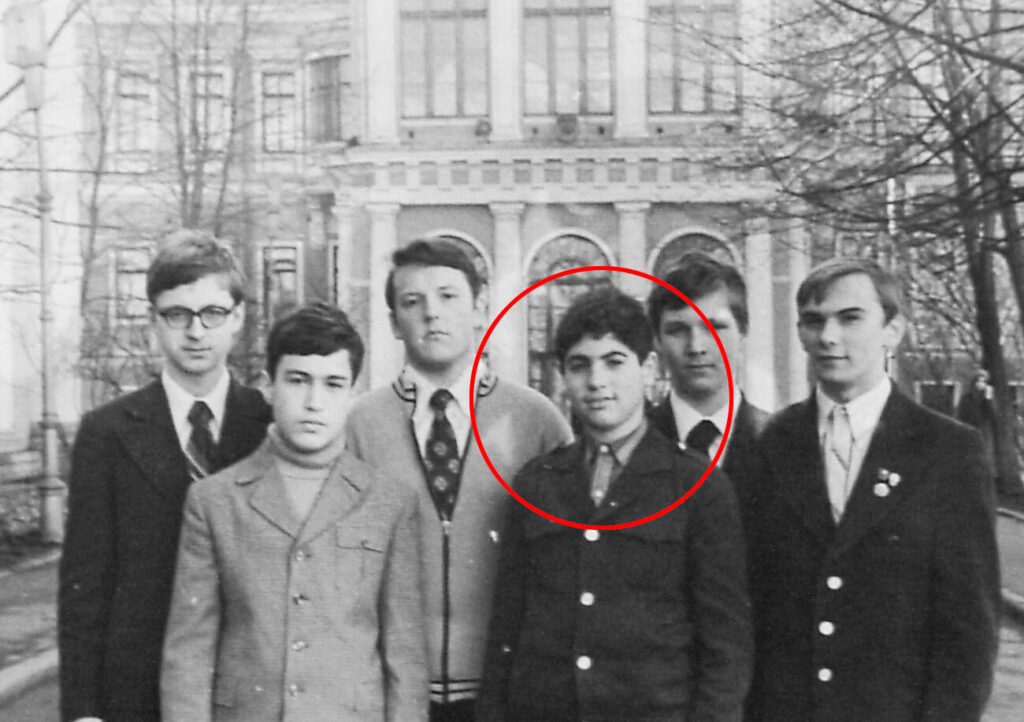
Though he may be absent from the public eye, Perelman remains one of the most prominent figures in mathematics.
His intellectual contributions will continue to shape the field for generations to come, but it is his unconventional lifestyle and unwavering moral compass that make him as fascinating as his work.
See More: Peregrine Falcon Caught Diving Like a B2 Bomber
In a world where success is often measured by public accolades and financial gain, Grigori Perelman stands as a powerful reminder that true fulfillment doesn’t always come from the recognition of others.