
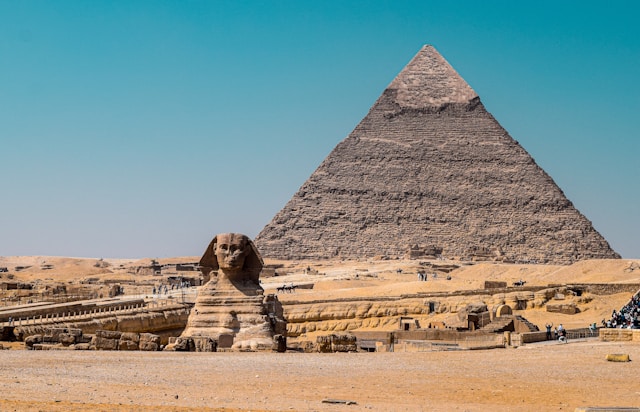
For centuries, the pyramids of Egypt have stood tall against time, weather, and human doubt.
These massive stone monuments are more than four thousand years old, yet they still inspire questions that modern science continues to explore.
One of the biggest myths surrounding them is the belief that they were built by slaves.
This idea mainly comes from ancient Greek writers who imagined armies of chained workers forced to build under cruelty and fear.
See More: 10 Grinch Facts You Probably Didn’t Know
In more recent times, some have suggested that aliens or lost civilizations were involved. The truth, however, is far more human and far more impressive.
Who Actually Built the Pyramids?
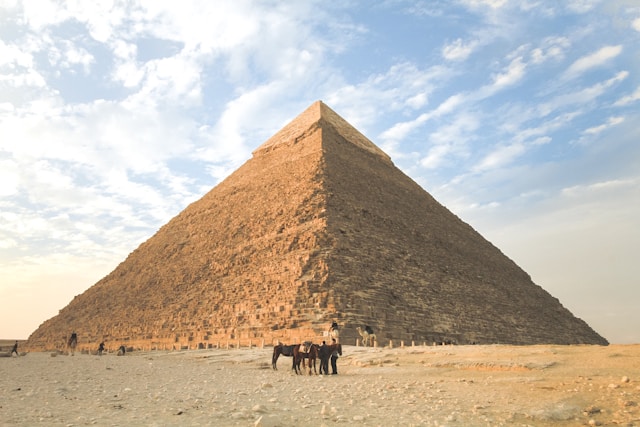
Archaeological discoveries have changed how we understand pyramid construction.
Papyrus records, stone inscriptions, and worker burial sites show that the builders were skilled laborers, not slaves. They were paid, fed, and respected for their work.
Experts believe that around twenty six thousand workers were involved in building just the base of the Great Pyramid.
See More: Magical Mushroom Facts You Never Knew
Many came from nearby villages, while others were sailors who traveled the Nile to transport supplies.
Entire worker towns were built near the pyramids, complete with bakeries, breweries, and organized living spaces.
How Were the Massive Stones Transported?
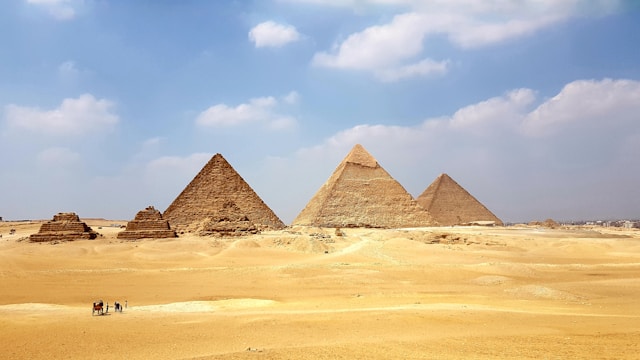
The stones used to build the pyramids were enormous. Most limestone blocks weighed between two and fifteen tons, while granite stones used near the burial chambers weighed up to eighty tons.
These granite blocks were brought from Aswan, more than five hundred miles away.
Workers transported most of the stones by boat along the Nile.
They likely timed deliveries with the annual flooding of the river, allowing boats to reach closer to the construction site and reducing the distance the stones had to be dragged on land.
How Were the Stones Moved Without Machines?
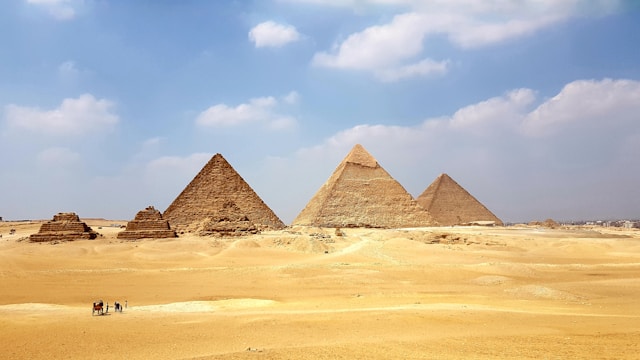
Once the stones arrived, workers faced another challenge. Without cranes or engines, they dragged the blocks across sand using wooden sleds.
Archaeologists now believe the sand was intentionally wetted to reduce friction, making it easier to pull the heavy loads.
See More: 21 Weird World Records You’ve Never Heard Of
To lift the stones higher, workers likely used large ramp systems that grew along with the pyramid.
Some theories also suggest the use of counterweights or rolling logs.
While the exact method is still debated, all evidence points to careful planning and teamwork.
How Long Did It Take to Build the Pyramids?
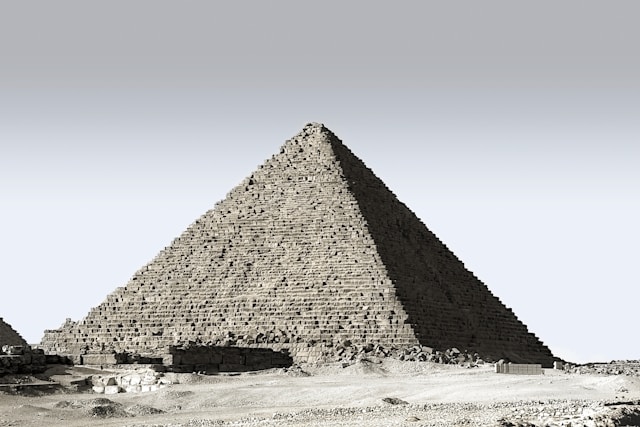
The Great Pyramid of Giza took about twenty six years to complete. Each stone had to be quarried, shaped with great accuracy, transported, and placed perfectly.
This attention to detail is why the pyramid has lasted for thousands of years.
When completed, it stood at 481 feet tall and remained the tallest structure ever built by humans for more than 3,800 years.
Even today, after centuries of erosion, it still towers over the landscape.
See More: 9 Weird Facts About the Blobfish
Why Did the Ancient Egyptians Build the Pyramids?
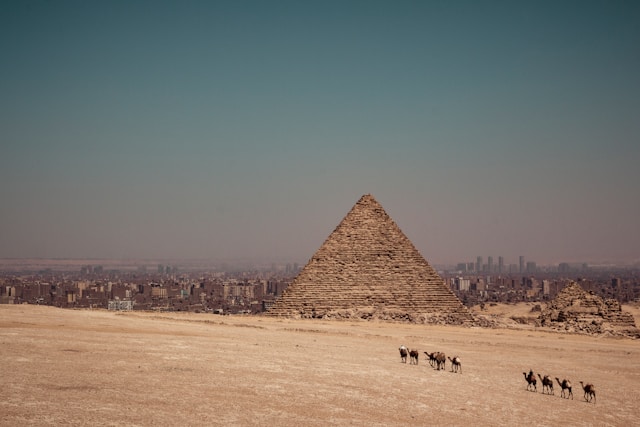
For ancient Egyptians, death was not the end of life but a continuation of it. They believed the soul would live on in the afterlife and needed a proper home to do so.
The pyramids were built as grand tombs for pharaohs, filled with treasures, food, ships, and personal items.
These offerings were meant to ensure comfort in the next life and to show the pharaoh’s power and importance to those left behind.
What Do the Pyramids Tell Us Today?
The pyramids were not built by slaves or visitors from outer space. They were built by humans using creativity, organization, and determination.
Simple tools, strong teamwork, and smart engineering made these wonders possible.
Even if every detail of their construction is never fully understood, the pyramids remain a powerful reminder of human ingenuity.
Long after modern buildings crumble, they will continue to stand as proof of what people can achieve when knowledge and cooperation come together.