
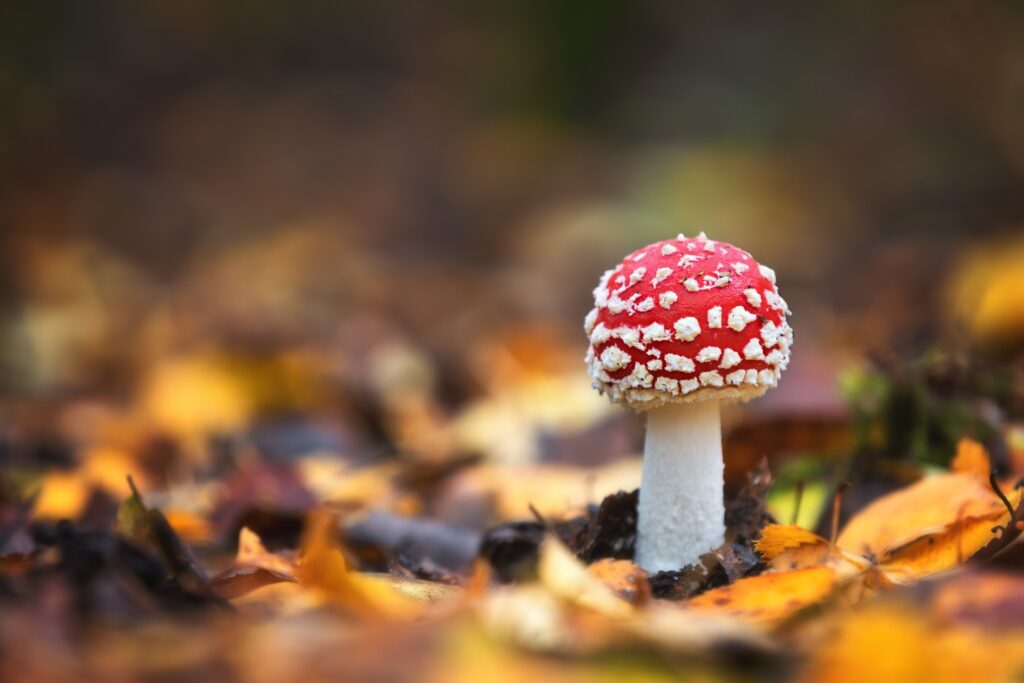
Mushrooms are some of nature’s strangest and most fascinating creations. They can be beautiful, delicious, healthy, and sometimes a little terrifying.
If you think mushrooms are just pizza toppings, these facts will completely change your mind. Make some room in your brain, because these mushroom facts are truly magical.
See More: 10 Grinch Facts You Probably Didn’t Know
- Mushrooms are neither plants nor animals. They belong to their own kingdom called fungi, which also includes yeast, mold, and lichen.
- Mushrooms are made of about 90 percent water and absorb moisture like a sponge.
- Mushrooms do not need sunlight to grow because they cannot make food using photosynthesis like plants.
- The part of the mushroom you see above ground is only the fruiting body. The main organism lives underground.
- Underground, mushrooms grow as a network of thread-like structures called mycelium and hyphae.
See More: How Were the Pyramids Really Built - Mushrooms can grow incredibly fast. Some species can double in size within 24 hours.
- A mushroom may live for only a few days or weeks, but the underground mycelium can survive for decades or longer.
- Even when the visible mushroom dies, the mycelium beneath the soil continues growing, making fungi almost immortal.
- Mycelium networks connect trees and plants underground, allowing them to share nutrients and signals. This system is often called the wood wide web.
- Mushrooms can send electrical signals through their mycelium, similar to how nerves work in animals.
- Scientists believe mushrooms may have a basic form of communication that could include up to 50 different signal patterns.
- Mushroom spores are extremely tough and can survive radiation, freezing temperatures, and even the vacuum of space.
See More: 21 Weird World Records You’ve Never Heard Of - Humans are genetically closer to mushrooms than to plants, sharing around 50 percent of the same DNA.
- Mushroom cell walls are made of chitin, the same material found in insect exoskeletons.
- Mushrooms are highly efficient to grow. One acre of land can produce up to one million pounds of mushrooms.
- The mushroom industry in the United States employs over 21,000 people and contributes more than 3 billion dollars to the economy.
- China is the world’s largest mushroom producer, growing about 70 percent of all edible mushrooms globally.
- Lightning has been shown to increase mushroom growth, and some farmers celebrate thunderstorms for this reason.
See More: 9 Weird Facts About the Blobfish - Mushrooms feed by breaking down dead organic matter, helping clean the environment and recycle nutrients.
- Some mushrooms are carnivorous. Oyster mushrooms release toxins that paralyze worms before digesting them.
- The ophiocordyceps fungus can infect ants and control their behavior, turning them into so-called zombies to spread spores.
- This real-life zombie fungus inspired the infected creatures in the game and TV series The Last of Us.
- Some wasps rely on mushrooms to help break down wood so their larvae can eat it.
- There are over 14,000 known mushroom species, but only about 3,000 are edible.
- Only around 30 mushroom species are widely cultivated for food.
- About 90 percent of mushrooms eaten in the United States are white button mushrooms.
- Between 30 and 50 mushroom species are poisonous, but only about 10 are potentially deadly.
- Mushrooms are packed with nutrients and antioxidants. One cup of portabella mushrooms contains more potassium than a banana.
- Mushrooms have been used as medicine for centuries, and some modern cancer treatments are derived from fungi like turkey tail mushrooms.
- The largest living organism on Earth is a mushroom. A honey fungus in Oregon covers more than 2,300 acres and may be over 8,000 years old.
You don’t have to enjoy eating mushrooms to appreciate just how incredible they are.
They can communicate with one another, recycle the planet’s nutrients, glow in the dark, and even help shape the future of medicine and sustainable materials.
So the next time you spot a mushroom on a walk, pause for a moment and take a closer look. It might be doing something far more fascinating than you ever imagined.